
![THE HERALD STUDENT REPORTERS [US]](/assets/images/logo_student_us.png)
![THE HERALD STUDENT REPORTERS [Canada]](/assets/images/logo_student_ca.png)

Generative AI reshapes Hollywood's labor market
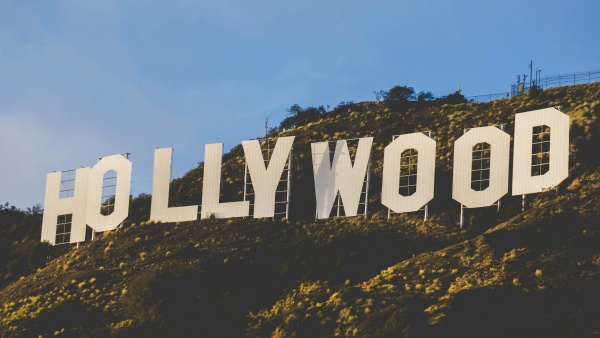
[Hollywood image. Photo Credit : Unsplash]
In 2026, as traditional jobs in film and TV production decline, some writers, directors, and production staff are instead taking part in training AI systems.
They are responsible for providing data or evaluating deliverables so that AI can perform tasks related to scriptwriting and video production, and some contract workers are reportedly earning between $12 and $200 per hour.
These changes are also reflected in the new four-year agreement between WGA and major producers, effective from May 2, 2026, to May 1, 2030.
The WGA confirmed that the AI-related provisions of 2023 were not separately amended in the 2026 agreement, and that the existing provisions will remain in effect.
The conflict surrounding AI first came to the forefront in Hollywood in 2023 through the strike by the Writers Guild of America (WGA).
The strike lasted 148 days, with the use of AI and the rights of writers emerging as one of the main points of negotiation.
Artists were concerned that studios might use AI-generated materials to reduce the workload assigned to professional artists.
The agreement reached between the WGA and major production companies following the strike therefore included specific protections related to the use of AI.
Under the agreement, a production company cannot require an artist to use AI, nor can it use AI-generated materials as the artist’s work and reduce wages or the artist’s credit in return.
Through this, standards have been established to protect artists’ creative activities and employment conditions, even as the use of AI continues to expand.
Despite the agreement, labor market issues surrounding AI continue even after the strike. Jobs in the U.S. film and sound recording industry fell 28%, from about 450,000 in July 2022 to about 326,000 in May 2026, and the number of shooting days in Los Angeles also declined 48% between 2021 and 2025.
In response to this, some writers and production staff are adapting to a new form of work that involves training AI instead of waiting for traditional production tasks.
These workers are responsible for providing data or evaluating deliverables so that AI can perform tasks related to scriptwriting or video production.
AI technology is also being rapidly integrated into the filmmaking process.
Some production companies and filmmakers are using Generative AI to create visual elements such as backgrounds and special effects, explaining that AI can reduce the time and cost required for certain production processes.
For example, Netflix utilized Generative AI during the production of the Argentine series El Eternauta to create a scene of a building collapsing.
According to Netflix co-CEO Ted Sarandos, the AI-assisted scene was completed approximately ten times faster and at a lower cost than it would have been using traditional visual effects tools.
These advancements could also impact the working conditions of various production personnel, including not only writers but also video editors, animators, and visual effects workers.
In particular, as AI goes beyond merely assisting existing tasks and begins to perform some of those tasks directly, new issues are emerging in each profession regarding how to define the scope of tasks that AI can handle and how to distinguish the role of human workers.
As Generative AI takes root as a new production tool in the film industry, discussions are ongoing in Hollywood not only about whether AI should be used, but also about how this technology will affect employment, wages, creator credit, and the creative process.
The 2026 WGA agreement shows that labor standards are already beginning to adapt to these changes, but the growing use of AI in both filmmaking and AI training work suggests that the relationship between technology and Hollywood workers will continue to evolve.

- Yeryung Kim / Grade 12
- Fayston Preparatory school