
![THE HERALD STUDENT REPORTERS [US]](/assets/images/logo_student_us.png)
![THE HERALD STUDENT REPORTERS [Canada]](/assets/images/logo_student_ca.png)

Iran crisis escalates as U.S. enforces blockade on Strait of Hormuz
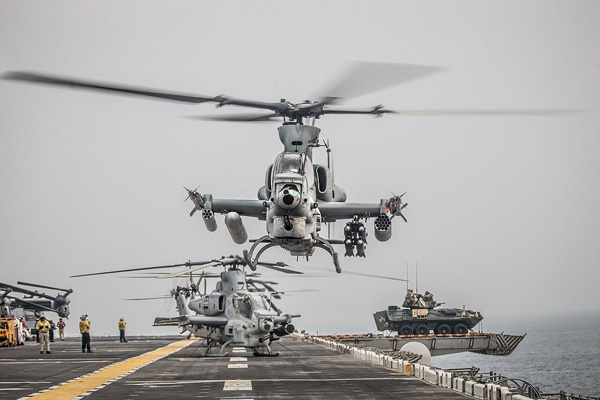
[A photo of a carrier on the Strait of Hormuz. Photo credit to Wikipedia Commons]
On April 13th, 2026, the Iran War saw a significant escalation as the U.S. stationed a naval blockade of the Strait of Hormuz, a crucial marine highway for global oil exports, creating economic stress not only to the combatants, but internationally as well.
This eventdevelopment followed a ceasefire brokered by the two sides in early April, and although the temporary ceasefire achieved its goal of stopping large scale attacks, hostility persisted as disputes over maritime access, nuclear negotiations, and continued U.S. military pressure on Iranian infrastructure.
The agreement included many conditions for both parties, which included reopening the Strait of Hormuz, previously blocked off by Iran to disrupt the global market.
However, the truce quickly began to fall apart, as both sides accused each other of violating the agreement.
In response, the U.S. imposed a naval blockade on the Strait of Hormuz in an attempt to cut off Iran’s ability to export and profit off of oil, limiting its economic power.
This event triggered immediate backlash from Tehran, with Iranian officials declaring that commercial shipments through the strait would be limited or cut off entirely as long as the blockade remained in place.
The Iranian president, Masoud Pezeshkian, commented on the situation, stating that “Breach of commitments, blockade and threats are main obstacles to genuine negotiations. The world sees your endless hypocritical rhetoric and contradiction between claims and actions.”
Following this exchange, the Strait of Hormuz became the primary focal point of the war, as Iran enforced restrictions on waterway travel, even closing it entirely at times.
Furthermore, Iranian forces fired on three commercial ships and captured two more, escalating distrust between the two parties.
The U.S. greatly expanded naval operations in the region, seizing an Iranian tanker suspected of transporting oil, and assigning additional carrier strike groups to the Persian Gulf, all with the intention of disrupting Iran’s ability to export oil under wartime conditions.
Naval clashes over control of the strait saw immediate consequences on both sides.
Shipping through the Strait of Hormuz plummeted, with only a handful of vessels passing through daily compared to the pre-conflict average of 140.
Additionally, hundreds of ships carrying 20,000 seafarers found themselves unable to receive military aid, exacerbating disruptions in global energy supply chains and increasing volatility in the oil market.
The constant bombarding of non-military ships in the region has also stalled diplomatic efforts between the two sides, as Iran demanded that the U.S. remove their naval blockade before resuming negotiations, stating that they refuse to talk under conditions that they view as coercive.
The blockade of the Strait of Hormuz has emerged as the central point of conflict in the ongoing U.S. war against Iran, and as the situation progresses, it has become clear that neither side is willing to de-escalate without concessions from the opposing side.
Moreover, the willingness of both parties to negotiate highlights the urgency of the matter, as further inaccessibility to the strait will cause economic downturn on a global scale.

- Ian Kim / Grade 10 Session 5
- R.E. Mountain Secondary School