
![THE HERALD STUDENT REPORTERS [US]](/assets/images/logo_student_us.png)
![THE HERALD STUDENT REPORTERS [Canada]](/assets/images/logo_student_ca.png)

Massive protests erupt in Greece over delays in agricultural subsidies
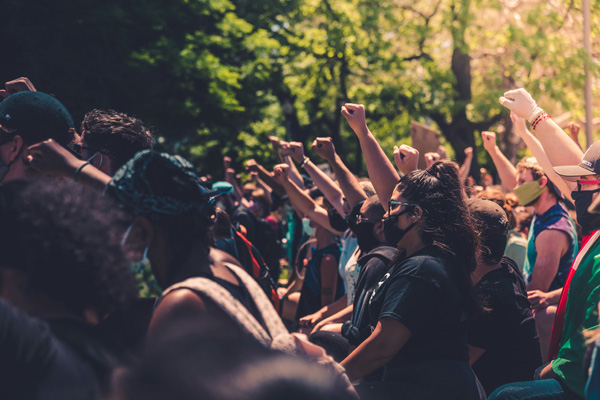
[People raising their hands / Photo Credit by Unsplash]
In December, massive protests erupted in Greece over delays in agricultural subsidies, leading to the paralysis of roads and airports by farmers and protestors.
The demonstrations quickly escalated into a nationwide crisis, beginning with farmers driving their tractors across the roads of the country to control the traffic against the army, soldiers, and riot police.
This blockade began primarily in the Thessalian plains, spreading to the Peloponnese and Macedonia regions.
The paralysis all over the country heavily affected the roads and traffic in places such as major highways, regional borders, ports, and airports.
The key factor behind these protests was the delays in the payment of European Union (EU) agricultural subsidies to Greece and distrust of farmers and protestors towards the Greek governmental management system.
Farmers claimed the protest to be their last desperate action in order to protect their fundamental rights to survive for the upcoming winter.
They stressed the urgency of these subsidies to the government, arguing that the agricultural subsidies are much more than just a subsidy for themselves and their families.
The EU agricultural subsidies are primarily used to purchase foods like seeds, fuel, and maintain the farms of farmers over the winter.
As the agricultural subsidies were delayed and eventually halted due to national administrative investigations into fraud subsidy payments, the regional and rural Greek economy started to collapse.
Furthermore, the droughts and floods caused by climate change in recent years have led to sharp increase in energy prices and a steep decline in the prices of agricultural products, fueling farmer’s anger and frustration.
The protests continued to intensify, with thousands of tractors blocking highways, causing cars, buses, and trucks to stand in the middle of the roads for long hours.
Furthermore, there were disruptions in the flow of shippings of goods in ports due to the presence of protestors.
Flight cancellations and delays at airports caused huge inconvenience among citizens, merchants, and tourists.
Despite the initial possibility of resolving this issue peacefully between farmers and the government, emphasizing the significance of public order, confrontations between protestors and riot police escalated.
These frequent confrontations resulted in damages and injuries due to the use of tear gas and water cannons, triggering even more social conflicts and chaos across the nation.
Beyond the payment of unpaid agricultural subsidies, protestors demanded social and structural measures from the government, such as reduced energy and electricity prices, lower taxes on agricultural fuels, guarantee for minimum prices of agricultural products, and full compensation for damages from natural disasters.
These demands further fueled calls for comprehensive policy reforms that would ensure agricultural and economic sustainability for farmers and protestors.
While some citizens understood and sympathized with the protests of farmers, others expressed complaints and discontent with the inconvenience they had to experience due to road blockages and traffic disruptions.
They showed concerns towards the collapse in the structures of the current agricultural society and economy due to the expansion of conflicts between farmers and the government in the status quo.

- Jooyoon Park / Grade 11
- Saint Johnsbury Academy Jeju