
![THE HERALD STUDENT REPORTERS [US]](/assets/images/logo_student_us.png)
![THE HERALD STUDENT REPORTERS [Canada]](/assets/images/logo_student_ca.png)

Senate holds hearing to examine benefits and regulations on pesticide usage
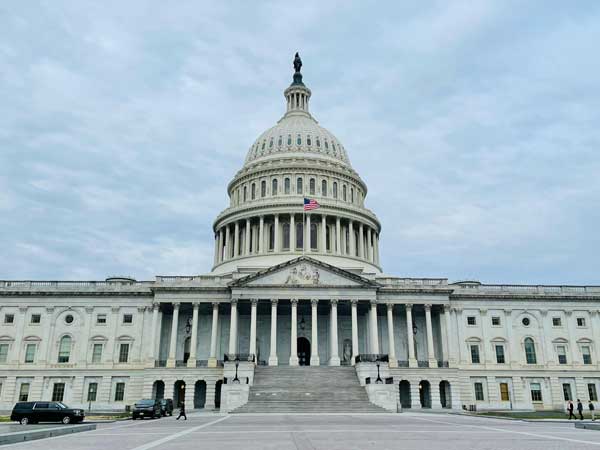
[Photo Credit to Pexels]
On October 23rd, the Senate Committee on Environment and Public Works held a pivotal hearing titled “Examining the Beneficial Use and Regulation of Chemicals,” placing the chemical regulatory landscape of the United States under spotlight.
The hearing addressed challenges that the Toxic Substances Control Act (TSCA) both addresses and presents, bringing together key stakeholders.
The hearing was convened by the subcommittee on Chemical Safety, Waste Management, Environmental Justice, and Regulatory Oversight where Senator John Curtis (R-UT) serves as chairman and Senator John Merkley (D-OR) as ranking member.
Key witnesses included Peter Huntsman, President and CEO of Huntsman Corporation; Gwen Gross, a senior technical fellow at Boeing; and Dr. Tracey Woodruff, Professor and Director of the Program on Reproductive Health and Environment at UCSF—all leading authorities on toxic chemical impacts.
The central focus of the discussion was on the growing tension between the slow, unpredictable regulatory EPA approval process for new chemicals and the urgent demand for innovation in sectors like aerospace, health care, and national security.
Industry representatives argued that lengthy reviews by the Environmental Protection Agency (EPA) create bottlenecks hampering chemical innovation, which in result pushes research and manufacturing overseas.
Mr. Huntsman argued that the process jeopardizes America’s global competitiveness at a time when emerging global powers like China, India, and Southeast Asia are investing billions to outpace U.S. innovation.
Gross underscored how delays and regulatory complexity impede the timely development of safer, lighter chemical materials needed for next generation aircraft, affecting thousands of researchers and suppliers.
From the other side of the table, Dr. Woodruff sounded the alarm on the devastating health consequences under-regulated chemicals pose on human and environmental health.
She emphasized the dangers of widespread exposure to persistent chemicals like PFAS, microplastics, and plastic additives, which have been linked to cancer, reproductive harm, and developmental disorders.
“Once [harmful chemicals] are out there, you can’t take them back,” she said as she advocated for a robust, science-driven regulatory framework supported by adequate EPA resources.
She also noted that review delays often stem not only from agency understaffing but also from incomplete data submissions by manufacturers, emphasizing the criticalness of responsible corporate engagement in the process.
While the hearing revealed partisan divides—with Republicans emphasizing need for faster approvals to protect industry innovation, and Democrats focusing on strengthening safeguards for environmental justice—it also found bipartisan common ground.
Policymakers reached a consensus on the need to tackle PFAS contamination seriously, agreeing on the need to improve EPA staffing and transparency, and strike a careful balance of innovation and precaution.
The chemical industry experts stressed the importance of both speed and predictability in reviews, and the health care professional called for unwavering commitment to public health protection even amid calls for reform.
Additional controversy emerged around the EPA’s recent proposal to roll back TSCA amendments aimed at broadening risk evaluation and scope and manufacturing reporting requirements.
The decision drew criticism about weakening oversight and increasing industry influence, with experts and interest groups urging Congress to provide legislative clarity and strength to the EPA’s scientific regulatory capacity in order to face the challenge posed by the lack of comprehensive safety data.
The hearing also highlighted the national security implications of chemical regulation delays, particularly for defense technologies such as fire suppression systems, which rely on advanced chemical materials.
Delays in certifying safer alternatives and changes risk not only economic competitiveness, but also military readiness.
The complexity of health protection interests and security protection interests create a difficult tension for lawmakers who must balance safeguarding public health against ensuring the materials vital for national and economic security are not unduly delayed or restricted.
The hearing illustrated the complex interplay of differences between national issues of deep interrelations.
The requests from the converging voices of industry and science to modernize chemical regulation can only be answered through bipartisan action.
How Congress navigates the safeguarding of public health while fostering innovation will shape the safety and prosperity of generations to come.

- Jiwoo Bang / Grade 10
- The Madeira School