
![THE HERALD STUDENT REPORTERS [US]](/assets/images/logo_student_us.png)
![THE HERALD STUDENT REPORTERS [Canada]](/assets/images/logo_student_ca.png)

U.S. releases 2026 dietary guidelines, shifting focus to whole foods and gut health
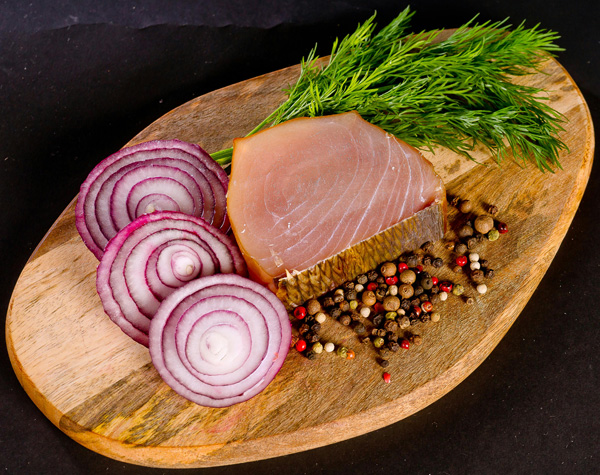
[Food ingredients on a cutting board. Photo Credit to Pexels]
On January 7, 2026, the U.S. Department of Health and Human Services unveiled the 2026 Dietary Guidelines for Americans, signaling a shift towards diets centered on whole foods and long-term health outcomes.
According to the HHS, the guidelines promote “a whole food framework intended to be customized to individuals and families, and their needs, preferences, and financial status.”
For the past few years, the U.S. school lunch system has been a controversial topic.
A major point of contention was the classification of certain processed foods as vegetables.
NPR reported that “batter-coated french fries are considered a fresh vegetable.”
This caused much controversy among citizens.
According to the Care2petitions, a petition was published stating, “The potato should not be considered a vegetable. Fresh fruits and vegetables should be mandatory at every lunch.”
As of January 20, 2026, only 86 people have supported this petition.
These dietary systems contributed to the rising obesity rates among Americans.
According to AMBS, “CDC estimates 42.4% of U.S. adults had obesity and 9.2% had severe obesity in 2017, the highest incidence ever recorded in America.”
However, significant changes have been made in the U.S. dietary system, where now the dietary guideline states, “To Make America Healthy Again, we must return to the basics. American households must prioritize diets built on whole.”
These changes address pressing health concerns from the past decades, as the guideline acknowledges that “The United States is amid a health emergency….Many of these illnesses are not genetic destiny; they are the predictable result of the Standard American Diet—a diet which, over time, has become reliant on highly processed foods and coupled with a sedentary lifestyle.”
Acknowledging these issues, America’s dietary guidelines have been changed, along with kimchi being implemented as a “A healthy diet supports a well-balanced microbiome and healthy digestion.
Highly processed foods can disrupt this balance, while vegetables, fruits, fermented foods (e.g., sauerkraut, kimchi, kefir, miso) and high-fiber foods support a diverse microbiome, which may be beneficial for health.”
Kimchi’s inclusion in the dietary system surprised many Koreans.
According to the Nate News, kimchi was previously viewed as smelly, causing people to feel self-conscious when consuming it.
Despite this earlier perception, kimchi has started to gain global recognition, a development that is also evident in kimchi exports.
According to Maeil Business News, Korea’s kimchi export has doubled from “$79 million in 2016 to $159.9 million in 2021.”
These changes have received many positive feedbacks across citizens, with commenters on Reddit saying “Great move,” or even “excellent.”
Beyond kimchi, the guidelines also recommend other fermented foods such as sauerkraut, kefir, and miso for supporting gut health.
Additionally, the new guidelines endorse full-fat dairy products, including whole milk and butter, reversing previous recommendations that favored low-fat options.
Olive oil and even beef tallow are now recommended as healthy cooking fats.
Although some individuals still remain skeptical about whether the guidelines will even bring changes, overall the public responses have been positive.

- Leah Sae-In Cho / Grade 10
- Yongsan International School of Seoul