
![THE HERALD STUDENT REPORTERS [US]](/assets/images/logo_student_us.png)
![THE HERALD STUDENT REPORTERS [Canada]](/assets/images/logo_student_ca.png)

Iranian protests erupted by the economic crisis are rapidly spreading across the country
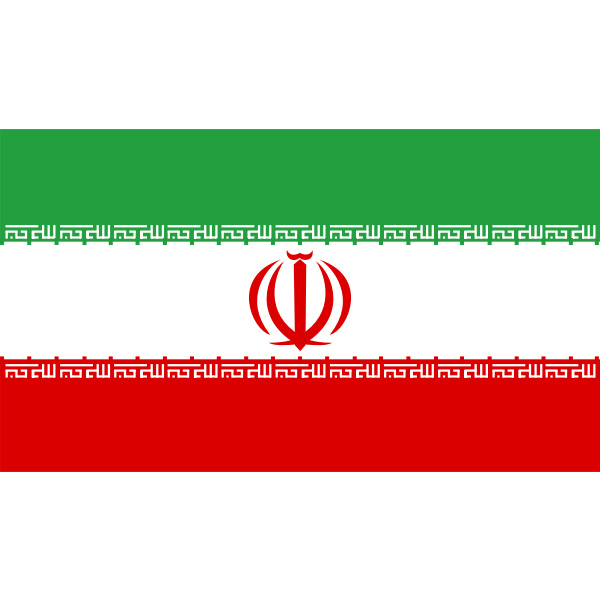
[Flag of Iran. Photo Credit to Free SVG]
Protests have swept across Iran since December 28, 2025, in response to the economic collapse that has shattered livelihoods, with hyperinflation surpassing 45%, food prices soaring 70-90%, and the rial crashing to 850,000-900,000 per USD.
Iran's economy teeters on the brink, burdened by annual inflation rates exceeding 45% as reported by official statistics, while independent analysts estimate it closer to 60% when considering in black-market distortions.
Faramarz Toufighi of the Labour Councils told Iran International (ILNA) that real food inflation surpassed 90% in October, effectively pricing out 60–70% of households living on average monthly incomes below $200.
Electricity tariffs have soared to 300%, natural gas prices tripled, and the unemployment rate officially stands at 12.5% but surges to 35–40% among youth.
Over 100 factory closures nationwide and daily power outages lasting 12–18 hours in Tehran, Isfahan, and Mashhad have left 60% of urban residents experiencing routine blackouts.
The protests began on December 28 in Tehran’s Grand Bazaar and the Alaeddin Shopping Center, two of the capital’s most important commercial hubs employing tens of thousands.
Merchants shut large sections of their shops in protest over soaring operating costs, the collapse of the rial, and the removal of state subsidies, bringing trade in key market areas to a halt, according to multiple media reports.
This merchant uprising quickly escalated into street demonstrations along iconic avenues like Lalehzar and Jomhuri, attracting large crowds overnight.
By December 29th and 30th, the uprising engulfed 25-30 cities, rivaling the scale of the 2022 Mahsa Amini protests that mobilized 500,000 across Iran.
As protests intensified across Iran, violent street clashes erupted in Tehran, and large-scale demonstrations continued in major cities like Mashhad. In Isfahan, in particular, widespread strikes shut shops and halted operations at dozens of factories, paralyzing entire industries.
University students, numbering more than 10,000 in Tehran alone,united in solidarity, shutting campuses and marching with pre-1979 flags.
Laborers in industrial zones halted production, impacting more than 100,000 jobs, while women-led contingents defied hijab mandates, evoking Amini's legacy amid chants.
Protesters' fury poured out in unprecedented slogans like "Death to Khamenei," "Death to the dictator," and "This is a revolution, not a protest," rejecting foreign entanglements amid domestic ruin.
Demands centered on the Supreme Leader Ali Khamenei's resignation, systemic corruption's eradication, and restoration of subsidies, with bank ATMs destroyed and government vehicles set on fire.
Human rights groups like Hengaw have reported women at the forefront, amplifying calls for regime change.
Facing an existential threat, authorities unleashed over 50,000 Revolutionary Guards and Basij militias, firing live ammunition and tear gas in Tehran, Hamadan, and Malard, resulting in at least 15 deaths, hundreds injured, and 200-300 arrests by December 31 per NCRI and Hengaw tallies.
Pretexts of energy shortages and adverse weather closed schools, offices, and markets in 21 provinces; internet access throttled to 20% capacity.
Iran has implemented internet restrictions in the past, both during protests and during last year's military conflict with Israel.
Yet, protesters in Tehran repelled gas attacks with improvised shields, Isfahan bazaars struck into day three, and Kermanshah factories remained paralyzed, with no sign of abatement as economic loss continues.

- Yena Jeong / Grade 10
- St. Johnsbury Academy Jeju