
![THE HERALD STUDENT REPORTERS [US]](/assets/images/logo_student_us.png)
![THE HERALD STUDENT REPORTERS [Canada]](/assets/images/logo_student_ca.png)

A youth mental health crisis that did not end with the pandemic
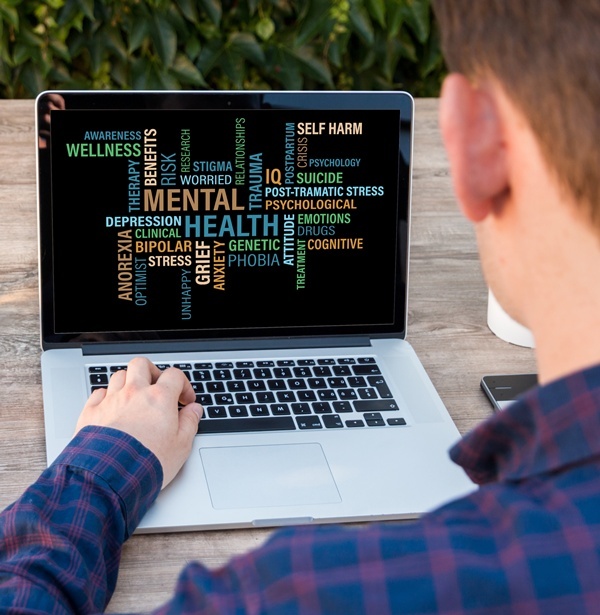
[Mental health. Photo Credit to Pixabay]
In its most recent report released in December 2025, the adolescent health commission of The Lancet warned that the youth mental health crisis has not eased since the end of the COVID-19 pandemic but has instead become a structural social problem. Rather than showing signs of recovery, adolescent mental health indicators suggest that the pressures introduced during the pandemic have persisted and, in some cases, intensified. According to the commission, the persistence of anxiety and depression among teenagers reflects not individual vulnerability but an environment that continues to place sustained pressure on young people.
Experts caution that an overemphasis on personal resilience risks overlooking the broader social and structural forces shaping adolescent well-being.
Although schools have reopened and daily routines appear to have normalized, psychological recovery for many adolescents remains incomplete.
The return to classrooms has restored schedules and academic structures, but it has not automatically repaired emotional and social disruptions caused by prolonged isolation.
The Lancet commission noted that the prolonged social isolation during the pandemic has intersected with academic pressure, climate anxiety and constant digital exposure, compounding mental health risks among teenagers.
These overlapping stressors have created a complex environment in which adolescents face multiple sources of uncertainty simultaneously.
Growing up in an atmosphere of uncertainty, experts argue, has created long-term emotional burdens distinct from those faced by previous generations.
They suggest that these conditions may shape coping mechanisms, social behavior and mental health outcomes well into adulthood.
The issue is not confined to a single country.
International data indicate that youth mental health challenges are emerging across regions regardless of income level or education system.
In its adolescent mental health fact sheet updated in 2025, the World Health Organization reported that approximately one in seven adolescents aged 10 to 19 worldwide experiences a mental disorder, with depression and anxiety among the leading contributors to disease burden.
These conditions represent a significant share of global disability among young people and often remain untreated.
Mental health specialists emphasize that many psychiatric conditions first emerge during adolescence, making early intervention essential, yet access to counseling and treatment remains uneven across regions.
Disparities in mental health services are particularly pronounced for marginalized and low-income populations.
For example, global data show that reported symptoms of anxiety and depression among adolescents rose sharply after 2020 and have remained elevated ever since.
Teenagers who spent formative years under remote learning and social distancing have also reported lasting difficulties in peer relationships.
For many, social skills that typically develop through daily interaction were disrupted during critical developmental periods.
Even after returning to classrooms, social interaction often feels more exhausting and less intuitive than before the pandemic.
Some adolescents report heightened self-consciousness and anxiety in group settings, further limiting social engagement.
A January 2026 analysis from the American Psychological Association noted that many adolescents continue to struggle with social confidence and emotional fatigue even after returning to in-person learning.
Digital platforms, once a substitute for connection during lockdowns, now exacerbate pressures related to appearance, achievement and popularity.
Academic pressure has also failed to ease.
Despite the return of in-person instruction, expectations surrounding performance and productivity remain high.
While school schedules have normalized, learning gaps created during the pandemic have shifted greater responsibility for self-management onto students, adding to stress levels.
Many adolescents now face the challenge of academic recovery alongside emotional adjustment.
Concerns about economic instability and an uncertain future further contribute to a sense of chronic anxiety among adolescents.
Experts point out that global crises increasingly shape how young people perceive long-term security and opportunity.
Experts agree that solutions cannot rely solely on individual resilience.
Framing mental health as a personal responsibility alone, they argue, risks overlooking systemic shortcomings.
The Lancet commission and mental health professionals advocate for expanded school-based counseling, strengthened community mental health infrastructure and youth-centered policy design as part of a coordinated response.They emphasize that education, health care, and social policy must work in tandem to address adolescent mental well-being.
Without sustained systemic support, the emotional aftermath of the pandemic may continue to shape an entire generation long after the public health emergency has ended.

- Yehan Kim / Grade 9 Session 11
- Lexington High School