
![THE HERALD STUDENT REPORTERS [US]](/assets/images/logo_student_us.png)
![THE HERALD STUDENT REPORTERS [Canada]](/assets/images/logo_student_ca.png)

Researchers say biological age tests are not yet reliable for tracking personal health
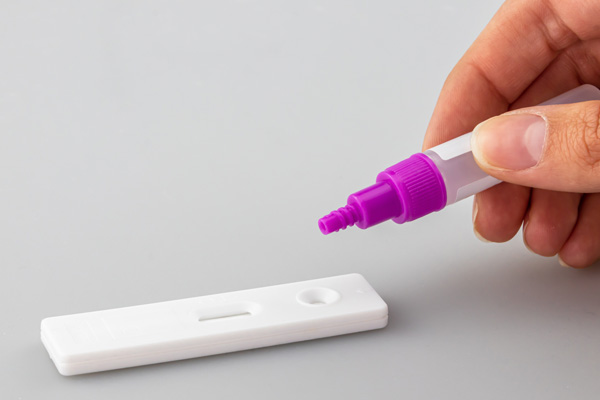
[Biological Age Test. Photo Credit to Pixabay]
Researchers studying biological aging have recently reported that epigenetic age tests, while useful for studying aging in groups of people, are not yet reliable for tracking the health of individuals.
The findings were discussed by biobehavioral health researchers Idan Shalev and Abner Apsley in a Live Science article published on May 29, 2026.
The researchers explained that epigenetic clocks can provide useful information about biological aging at the population level, but they can produce inaccurate results when used to assess individuals.
They therefore do not currently meet the standards expected of common medical tests.
Their findings were summarized by Live Science in July 2026.
Unlike chronological age, which merely measures the number of years a person has lived, biological age estimates how well the body's organs and cells have aged.
Biological aging is influenced by a complex interplay of genetic, environmental exposures, diet, exercise, sleep, smoking, chronic diseases, and other lifestyle factors.
Consequently, two people of the same chronological age may have substantially different biological ages if their bodies have aged at different rates.
Researchers study biological age because they hope that it may eventually provide insight into an individual's risk of age-related diseases and overall health status.
One of the most widely studied methods for assessing biological age is the epigenetic clock.
These tests analyze chemical modifications to DNA known as epigenetic marks, which can change over a person's lifetime without altering the underlying DNA sequence.
Researchers can measure millions of these marks from DNA samples, such as those obtained through blood tests, and use statistical algorithms to calculate an estimated epigenetic age.
Epigenetic clocks were developed primarily as research tools to help scientists investigate how factors such as lifestyle, stress and environmental exposures are associated with biological aging.
They can also be used to compare biological aging patterns among groups of people and to study whether particular interventions are associated with changes in aging-related biological markers.
Despite these advancements, researchers emphasize that epigenetic age testing remains an evolving field.
Different commercial tests often analyze different biomarkers and use proprietary algorithms, meaning that the same individual may receive noticeably different biological age estimates depending on which test is used.
Scientists also report that many biomarkers reflect only specific aspects of aging rather than the body's overall biological condition.
Furthermore, there is currently limited evidence demonstrating that short-term changes in biological age scores accurately reflect meaningful improvements in long-term health or reduced disease risk.
These limitations have prevented biological age testing from becoming a routine clinical tool.
Instead, physicians continue to rely on well-established clinical assessments to evaluate overall health.
Blood pressure measurements, cholesterol and blood glucose testing, body mass index, kidney and liver function tests, vaccination history, physical examinations, and age-appropriate cancer screenings have been extensively validated through decades of clinical research.
Lifestyle recommendations—including regular physical activity, balanced nutrition, adequate sleep, smoking cessation, and routine preventive healthcare—remain the most evidence-based methods for reducing the risk of chronic disease and supporting healthy aging.
Researchers continue to improve biological age testing by identifying more reliable biomarkers, combining multiple biological measurements, and validating these methods in larger and more diverse populations over longer periods.
Scientists naticipate that future biological age models may eventually become valuable tools for personalized medicine, disease prevention, and evaluating anti-aging therapies.
However, experts agree that additional research and long-term clinical validation are required before biological age tests can be used confidently in routine medical practice or as reliable indicators of an individual's overall health.

- Seungmin Shin / Grade 11
- North London Collegiate School Jeju