
![THE HERALD STUDENT REPORTERS [US]](/assets/images/logo_student_us.png)
![THE HERALD STUDENT REPORTERS [Canada]](/assets/images/logo_student_ca.png)

New research suggests GLP-1 drugs may help reduce addiction
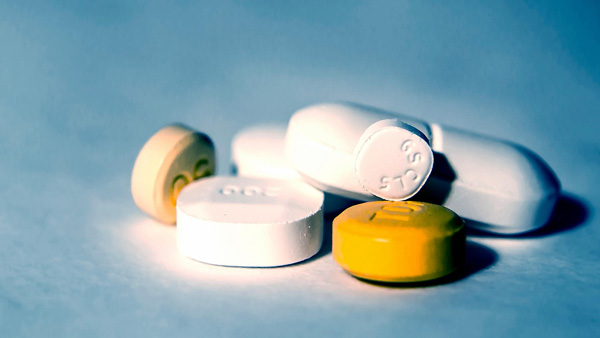
[Pills, Credit to Pixabay]
In February 2026, CNN reported on recent scientific research that drugs known as GLP-1 receptor agonists, commonly prescribed under the brand names Ozempic and Wegovy, could potentially reduce cravings for addictive substances such as alcohol, nicotine, and opioids.
Although further research is needed, scientists say the results could open up new possibilities for addiction treatment in the future.
GLP-1 receptor agonists were initially developed to help people with type 2 diabetes regulate their blood sugar levels.
These medications mimic a hormone called glucagon-like peptide-1(GLP-1), which is naturally produced in the body and plays a role in controlling insulin release and appetite.
Recently, these drugs have gained attention for their effectiveness in helping patients lose weight by suppressing hunger and slowing digestion.
However, researchers have begun to notice that the effects of GLP-1 medications may extend beyond metabolism and appetite.
Scientists believe the drugs also influence brain regions involved in reward, motivation, and impulse control, which are the areas that play a key role in addiction.
A large observational study published in the medical journal The BMJ 2026 analyzed health records from more than 600,000 patients with type 2 diabetes in the United States.
Many of these patients received care through the U.S. Department of Veterans Affairs healthcare system.
Researchers compared patients who were prescribed GLP-1 receptor agonists with those who were treated using other diabetes medication.
The patients taking GLP-1 drugs showed a significantly lower risk of developing substance use disorders compared to patients taking other diabetes medications.
The researchers observed a reduction in several types of addiction, including alcohol, nicotine, cannabis, cocaine, and opioid use disorders.
In addition to lowering the risk of developing addiction, the medications were also associated with improved outcomes for patients who already had substance use disorders.
People taking GLP-1 medications experienced fewer hospitalizations, fewer emergency room visits, and lower rates of overdose and death compared with those not using the drugs.
Scientists believe that the explanation for these results lies in how GLP-1 drugs affect the brain’s reward system.
Addiction is closely linked to dopamine signaling in the brain, particularly in regions such as the mesolimbic pathway, which is responsible for feelings of pleasure and reinforcement.
By influencing these neural circuits, GLP-1 medications may diminish the intensity of cravings and reduce the rewarding effects of addictive substances.
Some patients taking GLP-1 drugs have already reported unexpected changes in their behavior.
Doctors have observed that certain individuals on the medication report drinking less alcohol and smoking, or losing interest in other addictive behaviors.
While most of these reports are anecdotal, they have helped spark further scientific interest in the potential connection.
Public health experts note that substance use disorders contribute to millions of deaths each year and place a significant strain on healthcare systems.
Current treatments, such as counseling and behavioral therapy, can be effective, but many patients still struggle to overcome addiction.
If future studies confirm these initial findings, GLP-1 receptor agonists could represent a new tool in the fight against addiction.
By targeting the biological pathways that drive craving and reward, these medications may offer hope to patients who have not responded to existing treatments.

- Yezi Jang / Grade 11
- Asia American International Academy