
![THE HERALD STUDENT REPORTERS [US]](/assets/images/logo_student_us.png)
![THE HERALD STUDENT REPORTERS [Canada]](/assets/images/logo_student_ca.png)

US Fed raises interest rate by 0.25 percentage point after three years
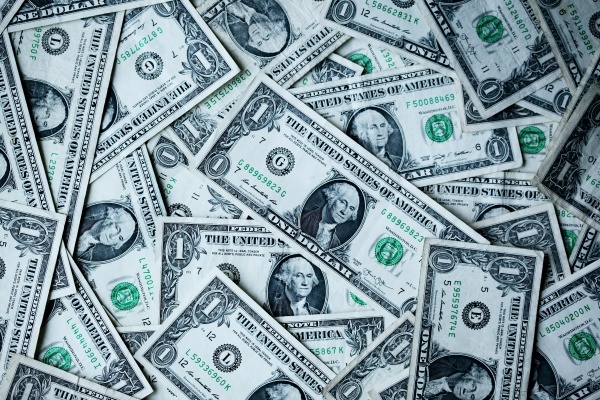
[Photo Credit to Unsplash]
The US Federal Reserve decided to raise the interest rate by 0.25 percentage points on September 16 to a range of 3.75 to 4 percent in a move to combat persistent inflation.
The decisions made under Chair Kevin Warsh came ahead of November’s midterm elections, and could increase borrowing pressures beyond the United States, including South Korea.
The Federal Open Market Committee, known as FOMC, approved the decision unanimously, citing sustained economic activity and elevated inflation.
Higher interest rates generally discourage borrowing and spending, which can help reduce pressure on prices.
Although Warsh took office in May as President Donald Trump’s appointee, the interest rate decision belongs to the committee itself rather than the chair alone.
The Fed’s accountability includes both stable prices and maximum employment.
Its 2 percentage inflation goal is measured based on the Personal consumption expenditures price index (PCE), which differs from the more commonly known Consumer Price Index (CPI).
August’s CPI report showed continued price increase pressure.
According to the Bureau of Labor Statistics (BLS), consumer prices increased 3.4% from a year earlier and 0.4% in the previous month.
Oil prices increased by 3.9% in the past month, accounting for more than ⅓ of the overall monthly rise.
The Trump administration's tariffs also played a role in the causation of inflation.
The Fed’s July monetary policy report linked higher consumer prices to increased import duties.
Businesses can pass these costs to consumers.
But every price increase can’t be explained in tariffs, and raising interest rates does not directly expand energy supplies or eliminate import duties.
For Americans, higher financing costs could make car purchases and business expansions more expensive, while some savers could be better off.
While reduced spending can restrain inflation, it also carries the risk of weakening hiring.
This decision also puts political pressure on Trump, who has been demanding for lower interest rates.
With rising living costs as the major point ahead of the midterm elections, the Trump administration is facing pressure to demonstrate economic enhancement.
In South Korea, one potential variable is the exchange rate.
Higher U.S. rates can make dollar assets more attractive, moving funds to the states, which leads to downward pressure for Korean Won value and Korean stock market.
A weaker Won could raise the cost of imported products, overseas travel and tuition at American universities.
Furthermore, if the Korean interest rate also rises, borrowers with variable-rate loans may face higher repayment burdens, which could reduce consumption and investment.
Meanwhile, export companies that receive payments in U.S. dollars may benefit from a weaker Won, but higher costs for imported parts and increased dollar denominated debt could cancel out those benefits.
Consequently, the impact of changed interest rates can alter based on households’ loan terms and companies’ foreign-currency revenue and cost structures.
The Bank of Korea might raise the interest rate for stable consumer prices and exchange rates, but this can lead to economic recession and higher debt pressure.
If it keeps interest rates unchanged, these threats may ease, but it would have less opportunity to deal with inflation and exchange rate pressures.
Therefore, the Bank of Korea should consider not only U.S. interest rates but also domestic inflation, economic growth, and financial stability.

- Joonho Lee / Grade 10
- St. Johnsbury Academy