
![THE HERALD STUDENT REPORTERS [US]](/assets/images/logo_student_us.png)
![THE HERALD STUDENT REPORTERS [Canada]](/assets/images/logo_student_ca.png)

US gas prices surge in 2026: what’s causing it?
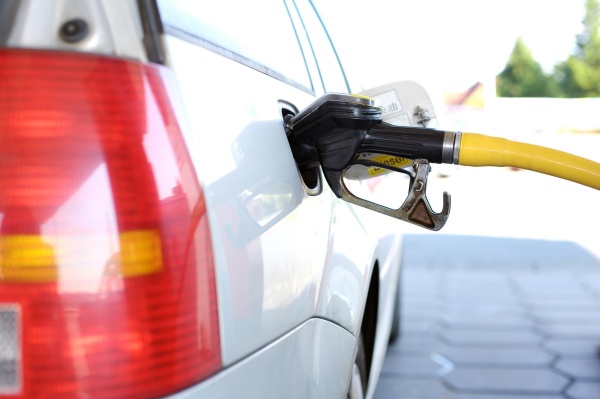
[A car being refueled at a gas pump. Photo Credit to Pixabay]
By April 30, 2026, the U.S. national average price of regular gasoline had risen by 27 cents in one week, reaching $4.30 per gallon, according to AAA.
This marked a rise from $3.99 one month earlier and $3.18 at the same time the previous year.
While price increases are not uncommon, the speed and scale of this surge reflect that the war is disrupting oil shipments through the Strait of Hormuz, causing gasoline prices to rise worldwide.
This sudden hike has placed additional financial pressure on households, especially for those who rely heavily on daily transportation.
One of the main driving factors behind higher gas prices is the ongoing conflict in the Middle East.
Military tensions involving Iran have disrupted shipping near the Strait of Hormuz, one of the world’s most important oil transportation routes.
According to the U.S. Energy Information Administration (EIA), approximately 20.9 million barrels of oil passed through the strait daily during the first half of 2025, equal to about 20% of global petroleum liquids consumption.
Given such a significant portion of the global oil supply depends on this route, even minor disruptions can trigger major increases in prices worldwide.
The EIA reported that concerns about attacks on vessels and shipping risks caused most tankers to avoid the Strait of Hormuz after military actions escalated in the region.
Even the possibility of disruption is enough to drive prices upward, as traders reacted quickly to protect against potential shortages.
These concerns have led to a sharp increase in crude oil prices.
According to the EIA, Brent crude oil rose from $71 per barrel on February 27th to $104 per barrel on March 9th.
Recently, oil prices have exceeded $100 per barrel, which is absurdly high compared to average levels.
These high costs of crude oil are passed on to consumers.
It is important to note that the United States is not currently experiencing a nationwide physical shortage of gasoline.
Instead, the problem is related to global oil prices and market reactions to possible supply disruptions.
The U.S. continues to produce and import enough fuel to meet demand, but because oil is traded on a global market, events happening thousands of miles away can still affect domestic gasoline prices.
This means that even when domestic fuel supplies remain available, international events can still cause prices to increase.
Several other factors are also contributing to these heightened gas prices.
Seasonal demand typically increases as people travel more during warmer months, putting additional pressure on gasoline supplies.
At the same time, supplies of certain fuels remain lower than usual, further exacerbating the market’s sensitivity to disruptions.
When traders expect future oil supplies to tighten, oil prices can react before an actual shortage occurs.
The rise in U.S. gas prices in 2026 demonstrates how conflict and disruptions in major oil-producing regions can quickly affect consumers in other parts of the world.
If tensions in the Middle East and disruptions to oil shipments persist, gasoline prices may remain high.
However, should the situation improve, prices could potentially drop again.

- Jayden Lee / Grade 8 Session 12
- Canyon Hills Junior High