
![THE HERALD STUDENT REPORTERS [US]](/assets/images/logo_student_us.png)
![THE HERALD STUDENT REPORTERS [Canada]](/assets/images/logo_student_ca.png)

Deaths confirmed from Legionnaires’ disease in New York City
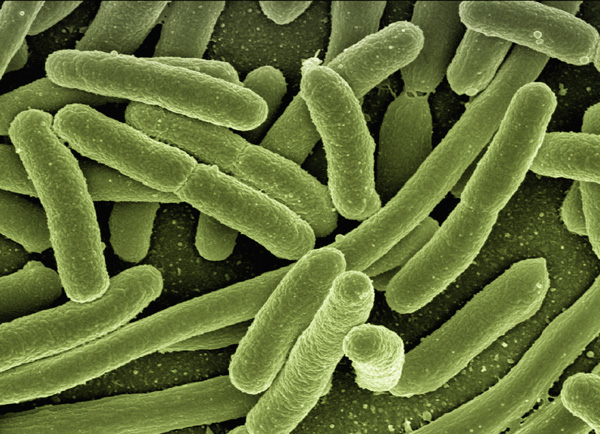
[Microscopic photo of bacteria; Photo credit: Pxhere]
As of July 24, 2026, five deaths, seven hospitalized, and 63 discharged, a total of 88 cases, have been reported during New York City’s recent Upper East Side Legionnaires’ disease outbreak, according to the NYC Health Department.
The figures have steadily climbed since July 17, when health officials announced the first confirmed death.
The second and third deaths were reported on July 19, followed by the fourth on July 20, and the fifth on July 21.
The outbreak began earlier this month and has mainly been concentrated in the Upper East Side ZIP codes 10028, 10128, and 10075.
Officials have affirmed that the current outbreak has no link to drinking water, showers, or residential air conditioners, all of which are sources of exposure to Legionella bacteria.
According to the Guardian, Legionella bacteria was identified on 34 cooling towers from 33 Manhattan buildings on the Upper East Side.
Nine cooling towers reported negative results for Legionella bacteria, and 140 cooling towers’ reports have yet to come back.
However, investigators have not yet identified the specific positively tested cooling towers as the confirmed source of exposure.
City officials extended their condolences following the deaths.
Regarding the first victim, NYC Health Commissioner Dr. Alister F. Martin expressed his sorrow, stating he was saddened to report the fatality connected to “the Legionnaires’ disease community cluster.”
He later added, “We are heartbroken to learn that another New Yorker has lost their life to Legionnaires’ disease on the Upper East Side. Our deepest condolences are with their loved ones as they grieve” after the second victim was identified.
According to the New York Times, Lawyer Ronald Katter, speaking on behalf of the second victim’s family, expressed, “He was just enjoying his retirement with his wife, and they were about to start a renovation for their apartment.”
The New York City mayor Zohran Mamdani extended his sympathies as well, stating, “I’m heartbroken by the loss of our fellow New Yorkers and send my deepest condolences to their loved ones.”
This outbreak has drawn comparisons to the 2025 Harlem Legionnaires’ disease outbreak, which resulted in seven deaths.
Unfortunately, there are no vaccines or medication to prevent one from getting Legionnaires’ disease.
However, the Centers for Disease Control and Prevention (CDC) has emphasized that careful management of water systems is one of the best methods to prevent Legionnaires’ disease.
In response, as a precaution, residents were instructed to inspect, drain, and sanitize their buildings’ rooftop cooling systems.
Legionnaires’ disease is caused by Legionella bacteria, which are spread through accidentally inhaling infected water droplets rather than from person to person.
The disease is known to rarely sicken healthy people exposed to the bacteria.
However, older adults, smokers, and people with a weakened immune system are highly susceptible to severe infection, often leading to pneumonia.
According to the CDC, Legionnaires’ disease has an overall fatality rate of approximately 10%, with healthcare-associated infections carrying a death rate of about 25%.
Fortunately, on July 20, Dr. Alister Martin posted on X, “At this time, we believe any source of exposure has likely been eliminated.”
He assured the public that no new symptomatic cases had been reported in over a week and that cooling towers that previously tested positive remain under close inspection.
The NYC Health Department later affirmed that the city’s drinking water had remained safe, allowing residents to resume their normal daily activities while investigators continued to monitor the situation.

- Yuna Cho / Grade 11
- Wesleyan School